
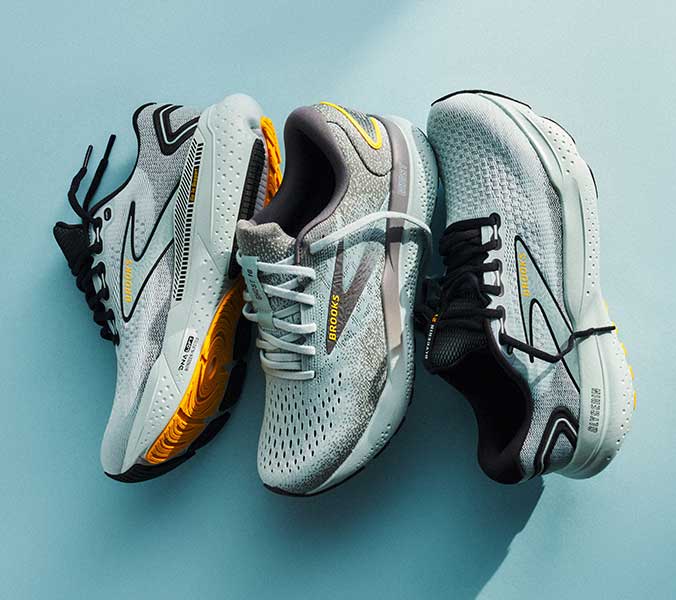
Pre-owned performance footwear isn’t a shortcut. When done right, it’s a smarter way to buy the same tools serious runners rely on—without paying for retail overhead or seasonal hype.
The challenge is knowing how to shop correctly.
Not all pre-owned shoes are equal, and not all resale experiences are built for performance. The key is understanding what actually matters when shoes are designed for miles, biomechanics, and durability—not aesthetics alone.
Start With Purpose, Not Price
The most common mistake shoppers make is starting with price. While savings matter, value comes from fit, function, and condition, not discounts alone.
Before shopping, be clear on your needs:
-
Daily training vs. speed work
-
Cushion preference
-
Neutral vs. stability support
-
Fit characteristics you already know work for you
Pre-owned shopping works best when you already understand what type of shoe you need. That clarity allows resale to work in your favor.
Understand the “Pre-Owned” Spectrum
Pre-owned performance footwear exists on a wide spectrum. Some shoes have never touched pavement. Others may show minimal signs of indoor wear. A smaller subset has light, controlled use.
What matters is disclosure.
A trustworthy resale experience explains where a shoe falls on that spectrum clearly and consistently. Ambiguous terms like “used” or “gently worn” without explanation should raise questions. Precision removes uncertainty.
Sourcing Is the Invisible Advantage
Where shoes come from matters more than most shoppers realize.
Shoes sourced from authorized retailers typically follow predictable paths: try-ons, fit returns, or excess inventory. These shoes often retain full performance integrity.
By contrast, peer-to-peer resale introduces variables—unknown mileage, surfaces, and storage—that are harder to evaluate from photos alone.
Choosing a platform that prioritizes retail-sourced footwear dramatically reduces guesswork.
Performance Comes First
When evaluating pre-owned shoes, look past cosmetic details. Scuffs or packaging imperfections rarely affect how a shoe performs.
Instead, focus on:
-
Midsole structure and rebound
-
Outsole wear patterns
-
Upper integrity and support
Performance footwear is designed to last. Minor cosmetic wear doesn’t equal functional compromise.
Why This Guide Matters
Buying pre-owned works when the system is designed to support informed decisions. When condition, sourcing, and performance are clear, resale stops feeling risky and starts feeling rational.
That’s the difference between gambling on shoes and choosing them intentionally.